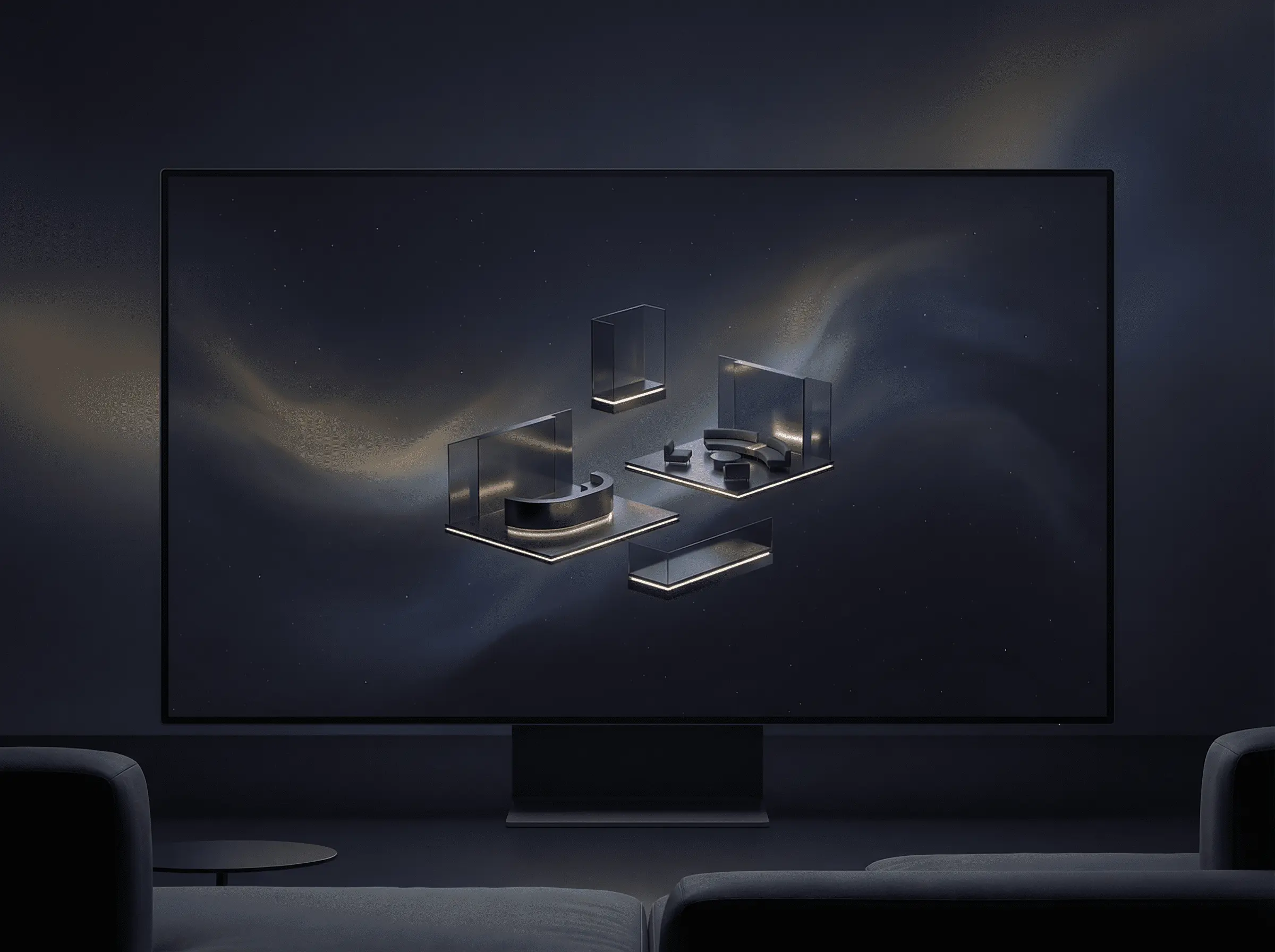
Only 68% of travelers are willing to pay more for personalized experiences, and 72% say personalization influences their booking decisions, yet many luxury hotels still rely on generic, template-based sites that feel anything but premium. For high-end properties, the website is often the first “stay” your guest experiences, long before they arrive on the property. This article breaks down how to design luxury hospitality websites that feel as tailored and refined as your best suite, using real examples such as the Shangri-La Villingili digital showcase on ronny.design and other premium-focused work.
Key Takeaways
| Question | Answer |
|---|---|
| What defines luxury hospitality web design for premium brands? | A focus on cinematic visuals, frictionless booking, personalization, and brand-consistent storytelling, like the Shangri-La Villingili Resort & Spa digital showcase on Ronny Sarianides’ portfolio. |
| How should a premium hotel website handle storytelling? | Through curated journeys that mirror the guest experience—from arrival to spa to dining—using structured content and hero sections similar to the luxury portfolio layout on ronny.design’s About page. |
| Why is mobile-first design critical for luxury hospitality? | Because affluent travelers increasingly plan and manage trips on mobile; premium sites must load quickly, present clear calls to action, and keep booking at thumb reach, supported by responsive builds like those showcased on ronny.design’s Education page description of web work. |
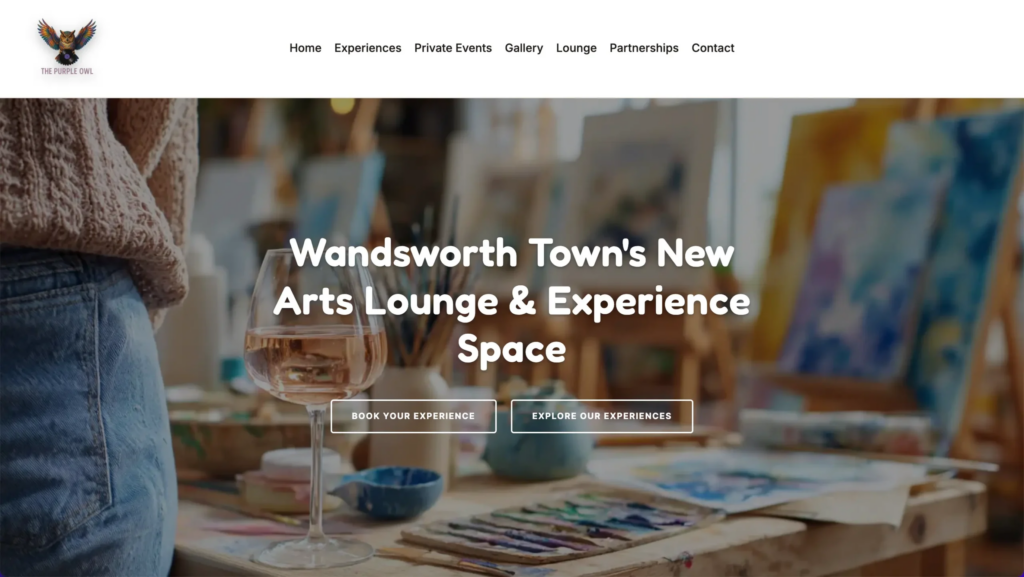
| How can boutique hotels compete with global brands online? | By using custom WordPress and React builds, clear niche positioning, and strong visual identity, as demonstrated by projects like The Purple Owl lounge and hospitality-adjacent brands on ronny.design. |
| What role do web apps play for premium hospitality? | They support bespoke experiences such as concierge tools, profile-based preferences, and loyalty dashboards, similar in complexity to web apps like Pokémon Sheet highlighted on Ronny Sarianides’ homepage. |
| How should premium brands start a redesign project? | By mapping guest journeys, clarifying brand positioning, and scheduling a focused strategy call with a specialist—approaches reflected in the consultation offer on ronny.design’s contact page. |
1. Why Luxury Hospitality Web Design Matters More Than Ever
Online bookings are projected to reach about $1.2 trillion by 2026, with roughly 65% of travel bookings made online. For luxury hotels and resorts, this means the website is no longer just a brochure; it is the main sales suite, concierge desk, and brand ambassador in one.
Premium guests compare properties quickly and subconsciously judge your brand within seconds of landing on your site. A luxury hospitality website that loads slowly, looks dated, or hides key information pushes these high-value travelers toward competitors that “feel” more aligned with their expectations of service and detail.
Shangri-La Villingili as a Digital Benchmark
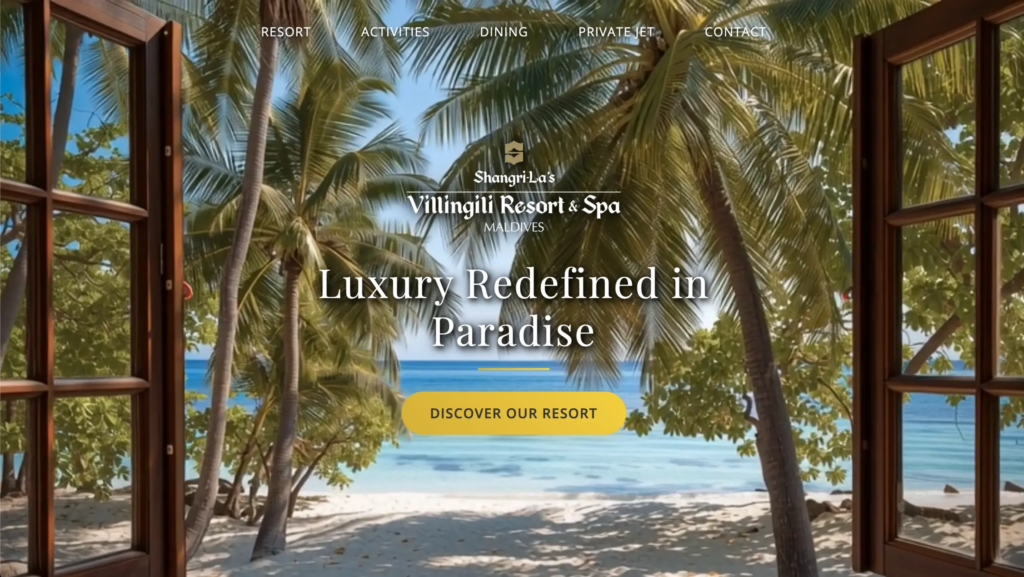
On ronny.design, the Shangri-La Villingili Resort & Spa digital showcase is described as a “Digital showcase of a luxury 5-star Shangri-La hotel in the Maldives.” This type of presentation reflects what guests expect: immersive visuals, intuitive structure, and a sense of calm control throughout the experience.
The key lesson: your website must convey the same care, silence, and refinement that guests will find in your lobby. Typography, spacing, and motion all contribute to that impression.
2. Core Principles of Premium Hospitality UX
Luxury hospitality web design for premium brands starts with UX choices that lower cognitive load, keep focus on booking, and preserve a sense of exclusivity. Navigation must be simple yet complete, with primary paths like “Suites,” “Dining,” “Experiences,” and “Book” visible at all times.
Affluent guests expect to accomplish their goal—whether that’s exploring villas, comparing packages, or arranging transfers—without friction. Clean information hierarchy, generous white space, and well-chosen micro-interactions (hover states, subtle animations) all signal a brand that values time and discretion.
From Portfolio UX to Hospitality UX
On the About Ronny Sarianides page, the layout is sparse, direct, and purposeful. Headlines such as “WEB DESIGN & WEB APP DEVELOPMENT EXPERT” and “SPECIALIZATIONS” show how bold typography and minimal clutter keep the reader focused. In hospitality, you can apply similar principles to room category pages, spa menus, and dining sections.
Consider these UX priorities for luxury hotels:
- Persistent booking access: A sticky “Book Now” or “Check Availability” control that never feels aggressive.
- Clarity over cleverness: Use descriptive labels like “Ocean Pool Villa” rather than abstract names.
- Fast, predictable flows: Fewer steps from inspiration to reservation, with clear progress indicators.

3. Visual Storytelling: Photography, Video, and Atmosphere
Video on landing pages can increase conversions by up to 86%. In luxury hospitality, that means cinematic footage of overwater villas, private beaches, or rooftop pools is not just aesthetic filler—it is a business tool. The goal is to let potential guests “feel” a night at your property within seconds.
The Shangri-La Villingili Resort & Spa sample on ronny.design uses high-impact imagery to anchor the brand promise of a “luxury 5-star hotel in the Maldives.” For premium brands, this kind of hero image or header video should be carefully art directed: consistent color palette, quiet compositions, and a focus on human-scale moments rather than generic stock shots.
Curating a Cohesive Visual Language
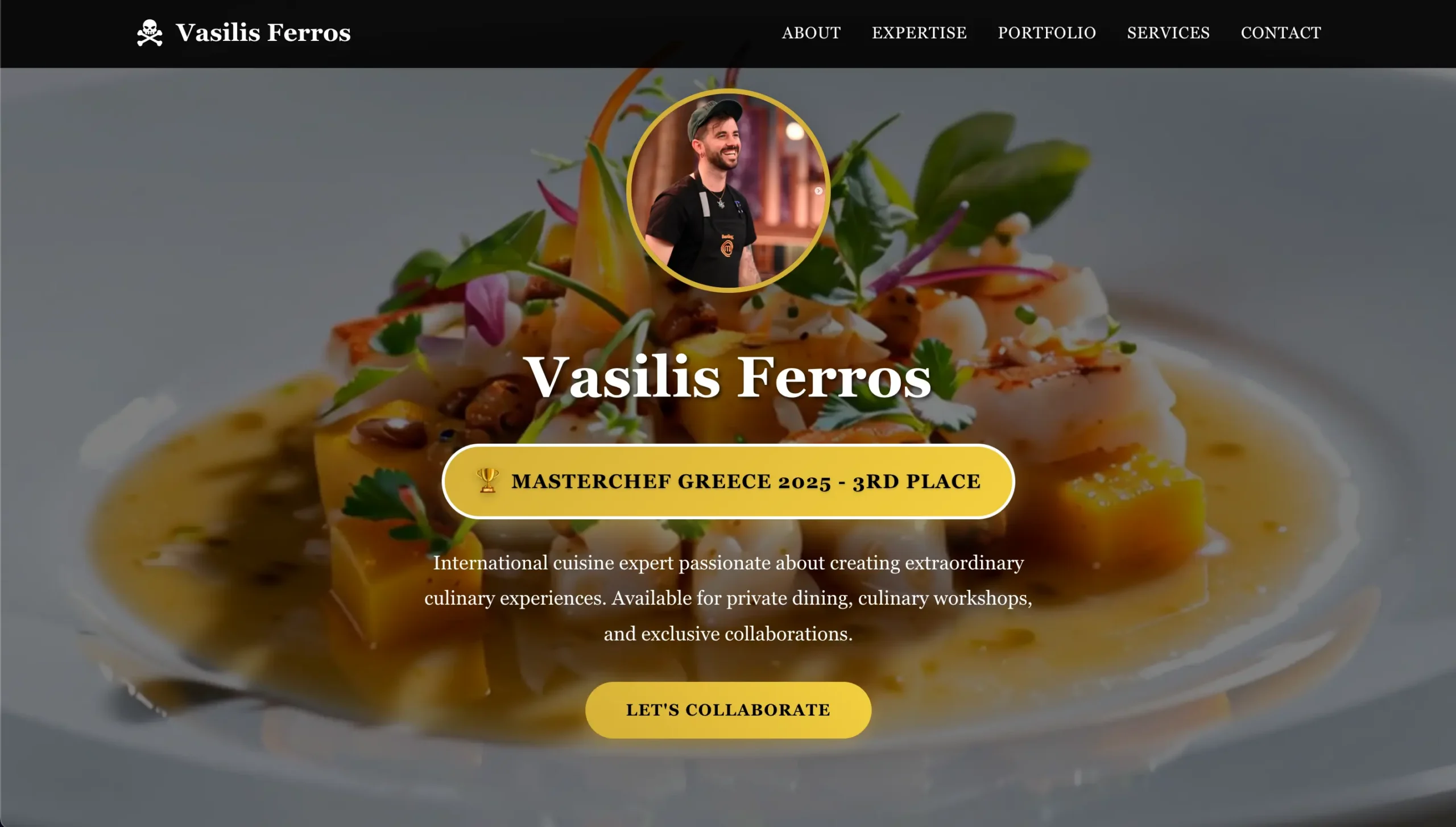
Ronny’s work with adjacent premium brands—like The Purple Owl lounge and interior designer Lara Melachrinou—shows a consistent use of strong imagery framed in minimal interfaces. This approach translates well to hospitality, where each section (spa, dining, suites) should feel like part of one visual story.
Consider a visual checklist:
- Hero section: One unforgettable piece of imagery or video with a simple call to action.
- Gallery strategy: Fewer, stronger images rather than overwhelming grids.
- Lighting and mood: Prioritize images that show natural light, real textures, and people in relaxed situations.
Did You Know?
65% of global travel bookings are expected to be made online by 2026, meaning your website experience is often the single most important “front desk” your brand has.
4. Personalization and Privacy for High-Expectancy Guests
73% of customers say brands treat them like individuals (versus a number). For luxury hospitality, this is not a “nice to have”; it is core to the value proposition. Guests booking a premium suite, private island, or full-spa retreat expect the website to recognize context—return visits, preferred language, or previously viewed experiences.
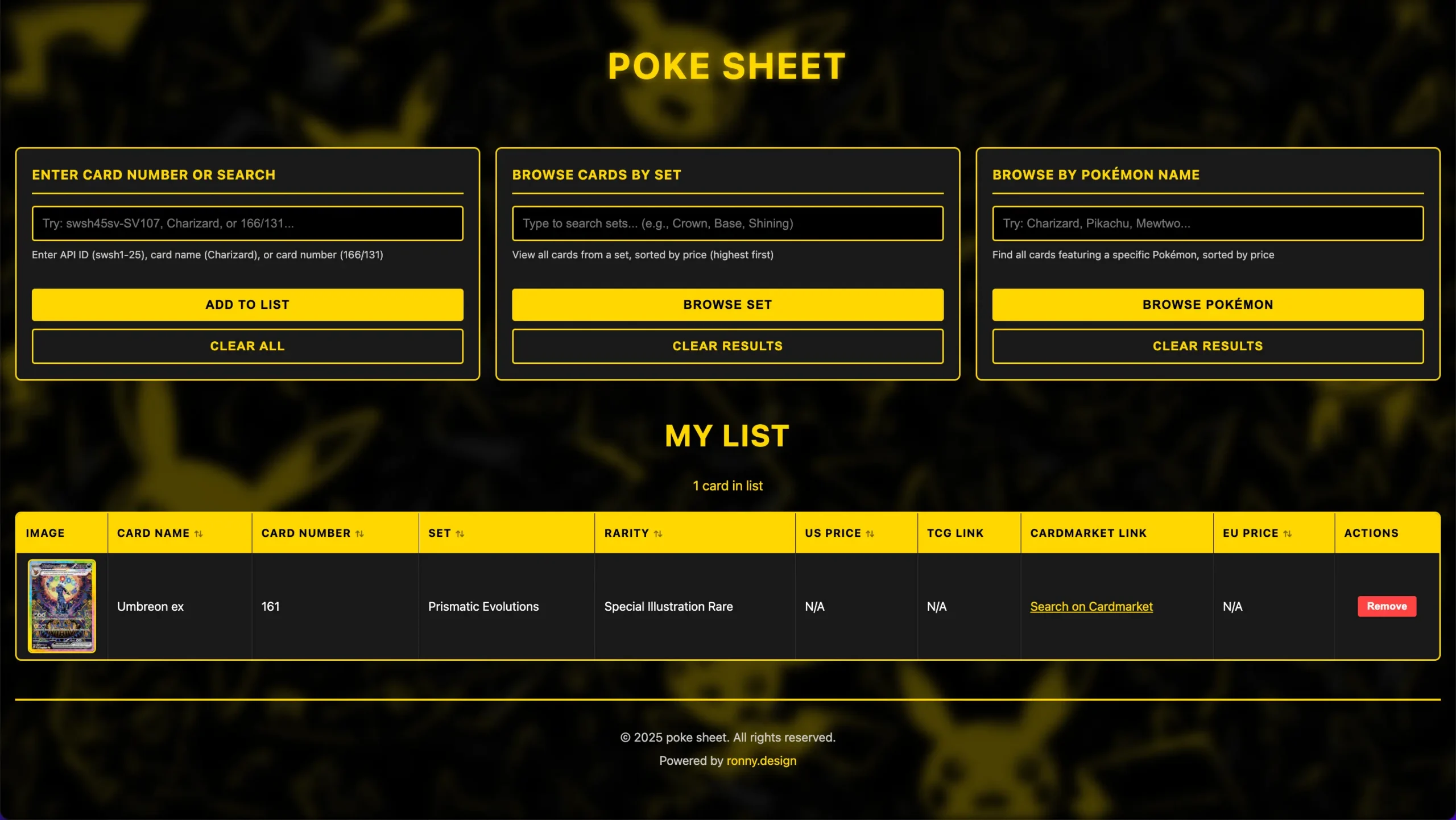
Modern hospitality web design weaves personalization into the layout: recommended rooms based on travel dates, curated experiences for couples vs. families, and tailored add-ons like private transfers or chef’s table dinners. These features can be powered by custom web applications, similar in complexity to the Pokémon Sheet card management solution shown on ronny.design.
Balancing Discretion and Data
At the same time, 71% of customers feel increasingly protective of their personal information. For luxury brands that trade on trust, explicit consent flows, clear privacy messaging, and subtle preference centers are essential. Design patterns should let guests control how much they share, and always frame data use as a way to improve comfort, not exploit it.
- Offer “personalize my stay” options with visible toggles for data use.
- Keep account creation optional until it truly adds value, such as storing preferences or loyalty benefits.
- Highlight your commitment to confidentiality, especially for high-profile guests.
5. Mobile-First Design for Affluent, Time-Poor Travelers
73% of travelers want to manage their hotel experience on mobile devices, including check-in, room selection, and service requests. Luxury brands that restrict their best experiences to desktop layouts risk losing bookings from guests making decisions between meetings, on airport transfers, or during short breaks.
Mobile-first luxury hospitality web design focuses on thumb-friendly navigation, fast page loads, and clear bookings. Complex menus are rethought, not simply hidden. Key CTAs stay reachable with one hand, and content blocks are reordered so that essentials (rates, room highlights, cancellation policy) appear before secondary content.
Applying Mobile Thinking to Premium Interfaces
In Ronny Sarianides’ portfolio, emphasis on React and WordPress indicates a preference for modern, responsive frameworks. For high-end hotels, these technologies support:
- Instant page transitions that avoid jarring reloads.
- Context-aware components that adjust to screen size and orientation.
- Lightweight animations that don’t slow down mobile networks.
Your mobile site should feel like a concierge in your pocket, not a reduced version of the desktop experience.
6. Booking Flows That Feel as Smooth as Check-In
The most beautiful luxury site fails if the booking engine feels clunky or disconnected. For premium brands, booking should feel like a private, well-handled interaction—clear, calm, and fast. Every additional form field, page reload, or unexplained fee chips away at trust.
A well-designed booking flow for luxury hospitality typically includes:
- Step 1 – Dates & guests: Simple selection with real-time availability feedback.
- Step 2 – Room selection: Rich comparison of suites and villas, with concise highlights.
- Step 3 – Enhancements: Tailored add-ons like airport transfers, spa appointments, and dining experiences.
- Step 4 – Details & payment: Minimal required fields, clear total, and transparent policies.
Adapting Web App Thinking to Reservations
The Pokémon Sheet web app example from ronny.design showcases how thoughtfully designed multi-step workflows can remain intuitive even when information is complex. Applying that mindset to your booking engine means focusing on clarity and progress indicators, rather than cramming every option onto one screen.
| Booking Design Element | Mass-Market Hotel | Luxury Hospitality Standard |
|---|---|---|
| Price Display | Single nightly rate, fees hidden until late | Transparent total, clear taxes/fees, subtle price framing |
| Room Comparison | List view with basic amenities only | Rich cards with key differentiators, photography, and highlights |
| Add-Ons | Generic upsells shown to everyone | Personalized enhancements based on traveler type and stay length |
7. Brand Consistency Across Hospitality Touchpoints
Luxury hospitality brands often extend beyond a single property: beach clubs, lounges, restaurants, and branded residences. The website must hold all of these under one coherent visual and verbal identity. In Ronny’s portfolio, you see this challenge echoed in very different premium brands—such as The Purple Owl lounge, C&S Europe circular innovation, and End2End custom furniture—presented within a unified portfolio aesthetic on ronny.design.
For hotels, consistency shows up in:
- Typography: The same type families and hierarchy across spa, dining, and rooms.
- Color palette: A tightly controlled set of brand colors, sparingly applied.
- Voice and tone: Calm, confident copy that sounds like one person speaking, regardless of section.
Hospitality-Adjacent Brands as Inspiration
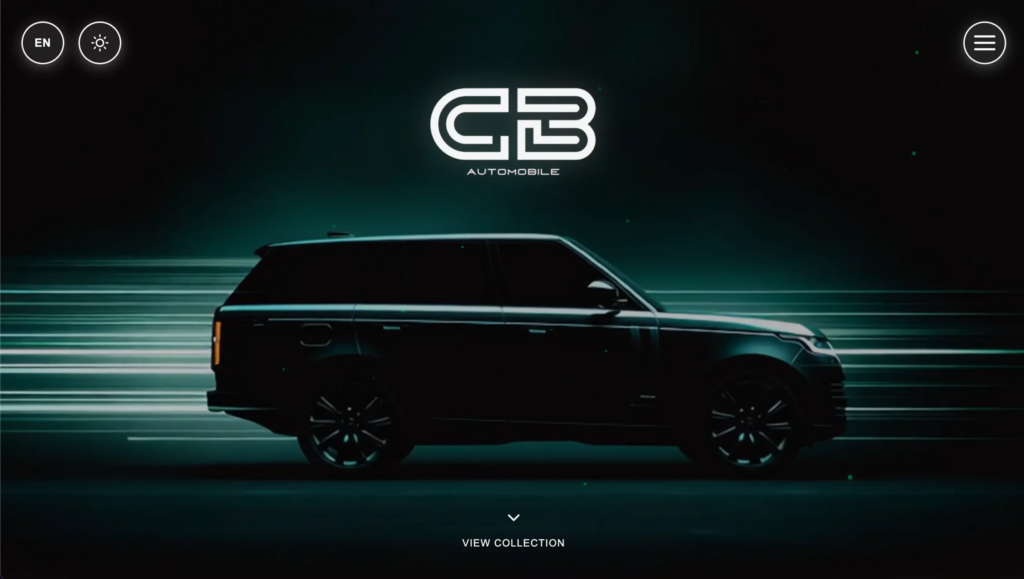
Consider how a brand like CB Automobile (premium vehicle imports) is framed on the homepage: clean lines, strong imagery, and concise copy. Similarly, VX Partners (financial services) is treated with a restrained, serious aesthetic. Both are good reference points for high-trust hospitality segments, like butler services, private jet partners, or on-property yacht charters.
Did You Know?
61% of consumers say they will spend more for personalized experiences, making tailored online journeys a direct revenue driver for luxury hotels and resorts.
8. Content Strategy: From Room Descriptions to Destination Guides
Luxury hospitality web design is as much about words as it is about visuals. Guests need just enough information to feel informed and confident, without wading through generic copy. Each page should answer real questions: “What does the view look like?”, “Is this suitable for children?”, “Can I arrange transfers easily?”.
On ronny.design, each project has a short, direct description—“Car importer in Greece specializing in premium vehicle imports and automotive solutions,” or “A full-service, custom-made furniture and product manufacturer that creates premium, tailor-made pieces conceptually designed by architects and interior designers.” This style of factual, specific copy works extremely well in hospitality.
Structuring High-Value Content Blocks
For each room or suite type, consider including:
- One-sentence overview: Who is this for and what makes it special?
- Key highlights: 4–6 bullet points (view, size, amenities, special touches).
- Staying experience: A short paragraph that describes how it feels to stay there, in concrete terms.
Destination content—like local guides, itineraries, and seasonal events—should be structured similarly: short, scannable, and anchored in real value, not clichés.
9. Web Apps, Self-Service, and On-Property Digital Experiences
Luxury hospitality web design now extends beyond the marketing site into web applications that guests use before, during, and after their stay. Think of pre-arrival questionnaires, itinerary planners, digital concierge dashboards, and loyalty portals. These are often built with the same web app technologies highlighted on ronny.design—custom React interfaces, robust back ends, and intuitive UIs.
For premium brands, the key is not to overwhelm guests with tech, but to offer thoughtfully placed self-service options: upgrade paths, late checkout requests, or spa bookings that feel like a natural extension of the website, not a separate tool. The design must remain consistent in typography, colors, and interaction patterns.
Example: Pokémon Sheet as Complexity Reference
Although not hospitality-specific, the Pokémon Sheet web app showcases how complex data (many cards, states, filters) can be surfaced in a friendly, visual way. For hotels, similar patterns can be used for:
- Multi-day schedule builders.
- Configurable package selection (spa + dining + experiences).
- Preference-based recommendations panels.

10. Choosing a Web Design Partner for Luxury Hospitality
Premium hospitality projects demand a partner who understands both technology and the nuance of high-end service. On Ronny Sarianides’ About page, the positioning as a “WEB DESIGN & WEB APP DEVELOPMENT EXPERT” with specializations in Web Design, Web Apps, WordPress, React, and more reflects the sort of hybrid profile that serves luxury hospitality well.
Look for these traits in a partner:
- Portfolio fit: Experience with luxury, hospitality, or at least premium brands where detail matters.
- UX-first mindset: Clear process for mapping guest journeys and testing flows.
- Technical depth: Ability to build custom booking flows and integrate with PMS/CRM, not just install themes.
- Long-term support: Willingness to iterate based on guest feedback and performance data.
Starting with a Focused Strategy Call
The contact page on ronny.design offers a “Free strategy call to discuss your web design or web app project.” This is a good blueprint: your first step should be a structured conversation about goals, audiences, and constraints, not jumping straight into colors and layouts.
Conclusion
Luxury hospitality web design for premium brands is ultimately about respect—for your guest’s time, attention, and standards. From the cinematic visuals of a Maldivian resort to the calm precision of a booking flow, every detail either reinforces or weakens your promise of exceptional service.
By combining strong UX foundations, thoughtful personalization, mobile-first layouts, and web-app-level functionality, premium hotels can create digital experiences that feel as carefully curated as their best suites. The examples and principles drawn from ronny.design show that when design, narrative, and technology align, your website becomes more than a brochure; it becomes an essential part of the luxury stay itself.